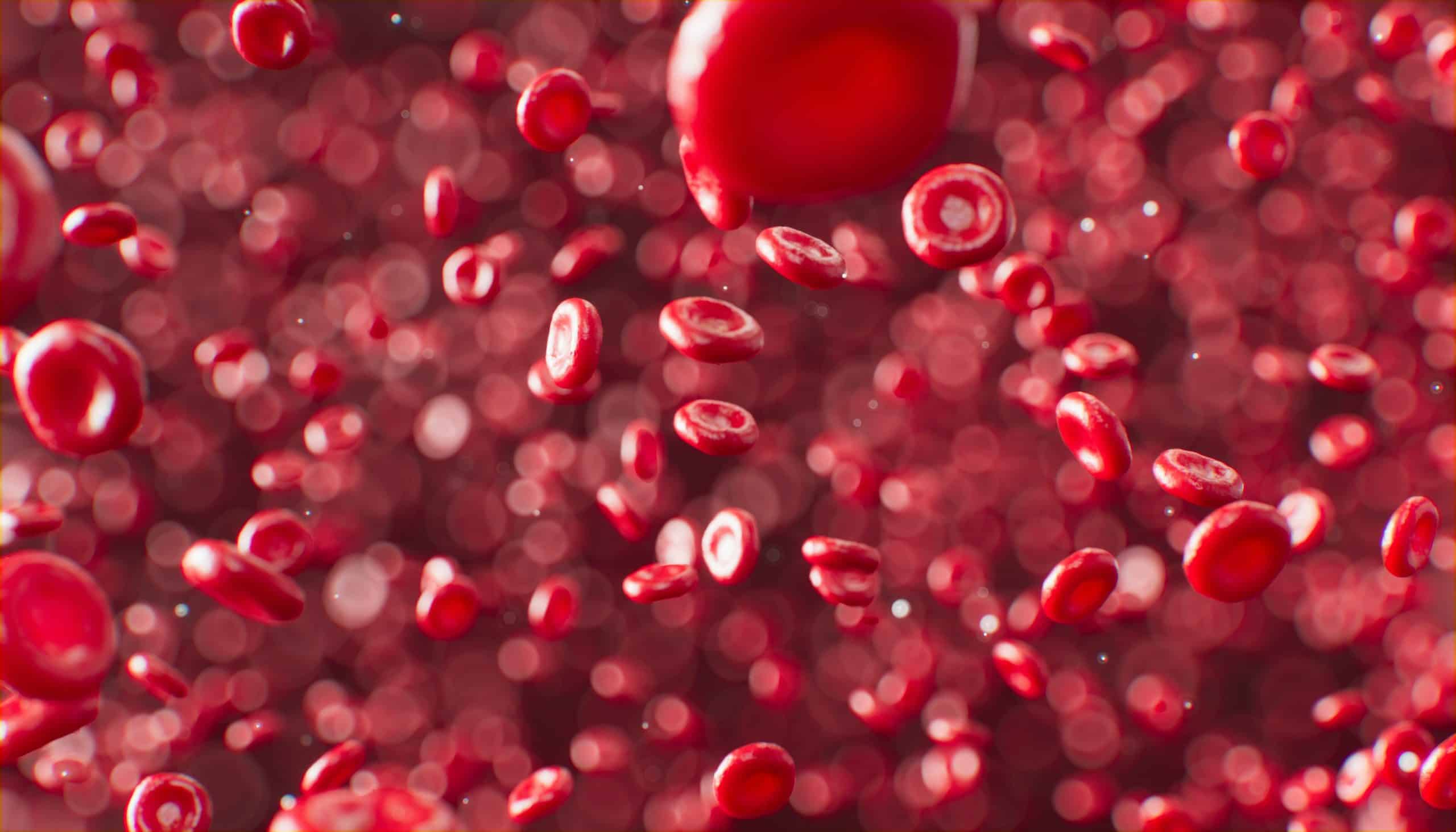
Anaemia is a condition in which the body doesn’t have enough red blood cells or hemoglobin, which is the protein that carries oxygen throughout the body. This can lead to a variety of symptoms, including fatigue, weakness, shortness of breath, and dizziness.
There are several types of anaemia, including:
1. Iron-deficiency anaemia: This is the most common type of anaemia, and it occurs when the body doesn’t have enough iron to produce hemoglobin. Iron is a mineral that is essential for the production of red blood cells, so when there isn’t enough iron, the body can’t make enough red blood cells.
2. Vitamin-deficiency anaemia: This type of anaemia occurs when the body doesn’t have enough vitamin B12 or folate. These vitamins are essential for the production of red blood cells, so a deficiency can lead to a decrease in the number of red blood cells.
3. Hemolytic anaemia: This type of anaemia occurs when the body destroys red blood cells faster than it can produce them. This can be caused by a variety of factors, including infections, medications, and autoimmune disorders.
4. Aplastic anaemia: This is a rare type of anaemia that occurs when the body doesn’t produce enough red blood cells, white blood cells, and platelets. This can be caused by a variety of factors, including radiation and chemotherapy, medications, and viral infections.
Symptoms of anaemia can vary depending on the severity of the condition, but common symptoms include:
• Fatigue
• Weakness
• Shortness of breath
• Dizziness
• Headaches
• Pale skin
• Cold hands and feet
• Irregular heartbeat
If you’re experiencing any of these symptoms, it’s important to see a healthcare provider for a diagnosis. Your provider may order blood tests to check your red blood cell count and hemoglobin levels, as well as tests to determine the underlying cause of the anaemia.
Treatment for anaemia depends on the underlying cause of the condition. If the anaemia is caused by a lack of iron, your provider may recommend iron supplements or changes to your diet to increase your iron intake. If the anaemia is caused by a vitamin deficiency, your provider may recommend vitamin supplements or changes to your diet to increase your vitamin intake.
In severe cases of anaemia, blood transfusions may be necessary to increase the number of red blood cells in the body. Additionally, treating any underlying conditions that may be causing the anaemia, such as autoimmune disorders or infections, can help improve symptoms and prevent future episodes of anaemia.
In conclusion, anaemia is a common condition that can cause a variety of symptoms. If you’re experiencing any symptoms of anaemia, it’s important to see a healthcare provider for a diagnosis and appropriate treatment. With proper treatment, most cases of anaemia can be managed effectively.